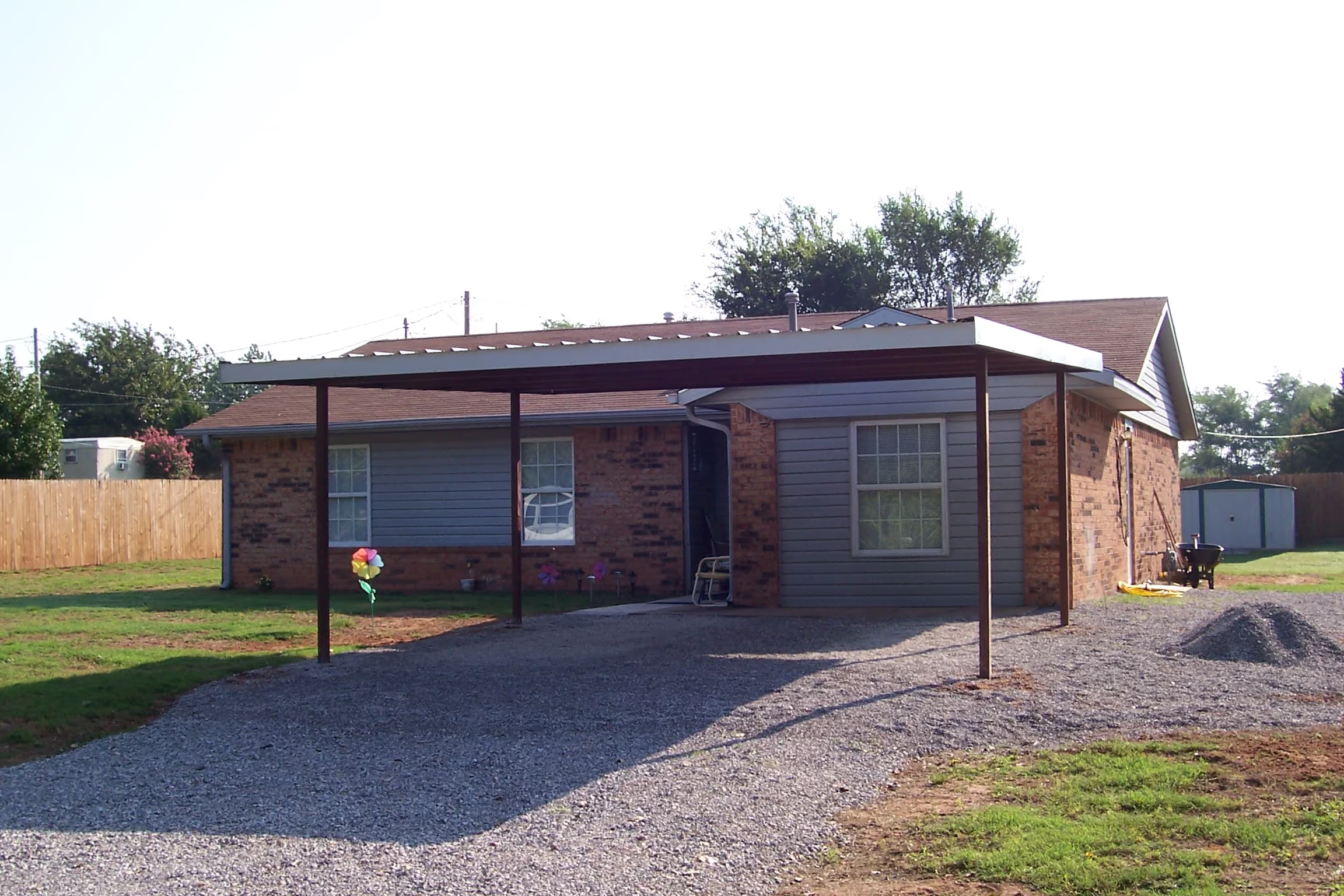
Steel buildings have quietly become the default choice for everything from backyard workshops to commercial warehouses, and the reasons aren't hard to see — they go up faster than wood-frame construction, last decades longer with less maintenance, and the engineering is settled enough that almost any size or use case can be pre-engineered and shipped as a kit.
This guide covers the major types of steel buildings, the most common applications, what's actually in a building kit, what to expect on cost, how the engineering and permitting process works, and what separates a good supplier from a mediocre one. We've been manufacturing steel buildings at our Shawnee, Oklahoma facility for more than 30 years, and we've spent most of that time answering the same questions from first-time buyers — so we wrote everything down.
A steel building is a structure whose primary frame — the columns and rafters that carry the building's loads — is made from structural steel rather than wood or concrete. In modern construction the term almost always refers to a pre-engineered metal building (PEMB): a system designed, calculated, and fabricated in a factory, then shipped to the job site as a kit of parts that's assembled in place.
That's the key distinction from older steel construction methods. A pre-engineered building isn't designed from scratch on site. Every piece — the rigid frames, purlins, girts, panels, trim, and fasteners — is engineered together as a system, cut to length, drilled or punched at the factory, and labeled for its location in the structure. The crew assembles, they don't fabricate.
Steel buildings use two main types of steel. Hot-rolled steel — the heavy red-painted I-beams you see in commercial buildings — forms the primary frame in larger structures. Cold-formed steel — lighter-gauge sheet steel bent into structural shapes like C-purlins and Z-purlins — handles the secondary framing that supports the roof and wall panels. Both work together in a typical pre-engineered system.
Compared to wood-frame or pole construction, steel buildings offer wider clear spans without interior columns, faster assembly, resistance to fire, termites, rot, and weather, and a lifespan that's measured in many decades rather than a couple.
Almost every steel building falls into one of four categories. Indaco manufactures all four — picking the right one is usually a question of how the building will be used, how wide it needs to span, and what the budget allows.
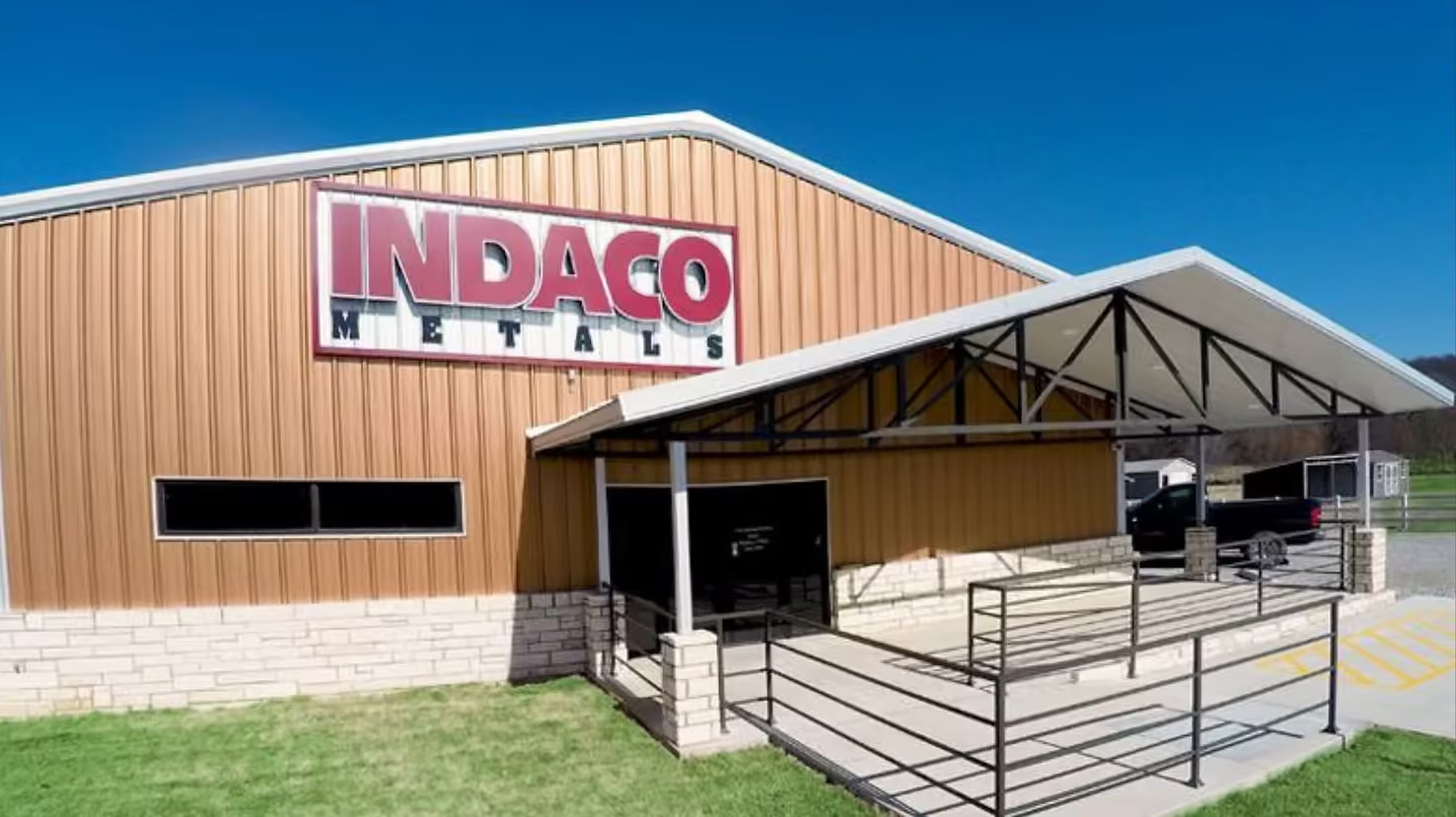
Rigid frame buildings are the most common type of pre-engineered metal building, and the type most people picture when they hear "steel building." The primary frame is built from tapered hot-rolled steel I-beams welded into rigid portal frames. Each frame spans the full width of the building without interior columns, creating wide-open clear spans ideal for warehouses, manufacturing plants, large agricultural buildings, retail spaces, and recreation facilities.
Rigid frames can span 40, 60, 100 feet or more without intermediate supports. They also handle the heaviest loads — important for snow country, high-wind zones, and any application where the building has to carry hanging loads like cranes or HVAC equipment.
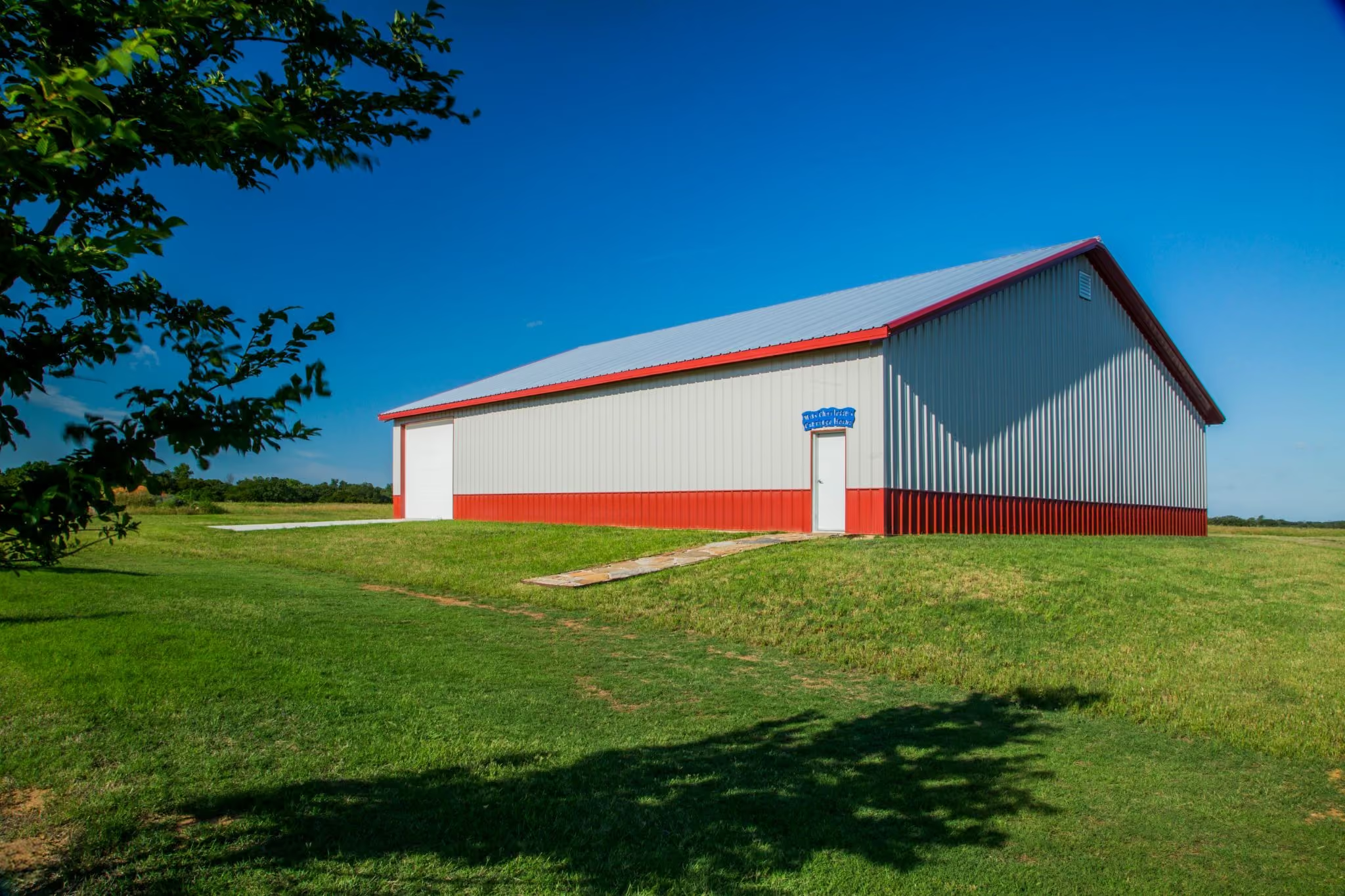
Truss frame buildings use welded open-web steel trusses in place of solid rigid-frame beams. The truss design uses less total steel for the same span, making truss-frame buildings lighter and more economical than rigid-frame systems — especially for narrower widths and lower-load applications.
Truss frames are popular for agricultural buildings, rural shops, and any project where budget matters more than maximum clear span. Indaco fabricates truss frames to project-specific dimensions, so the truss depth and chord sizes are sized for your actual building rather than picked from a catalog. For a deeper comparison, our post on rigid frame vs. trussed frame metal buildings breaks down the engineering differences and when each one wins.
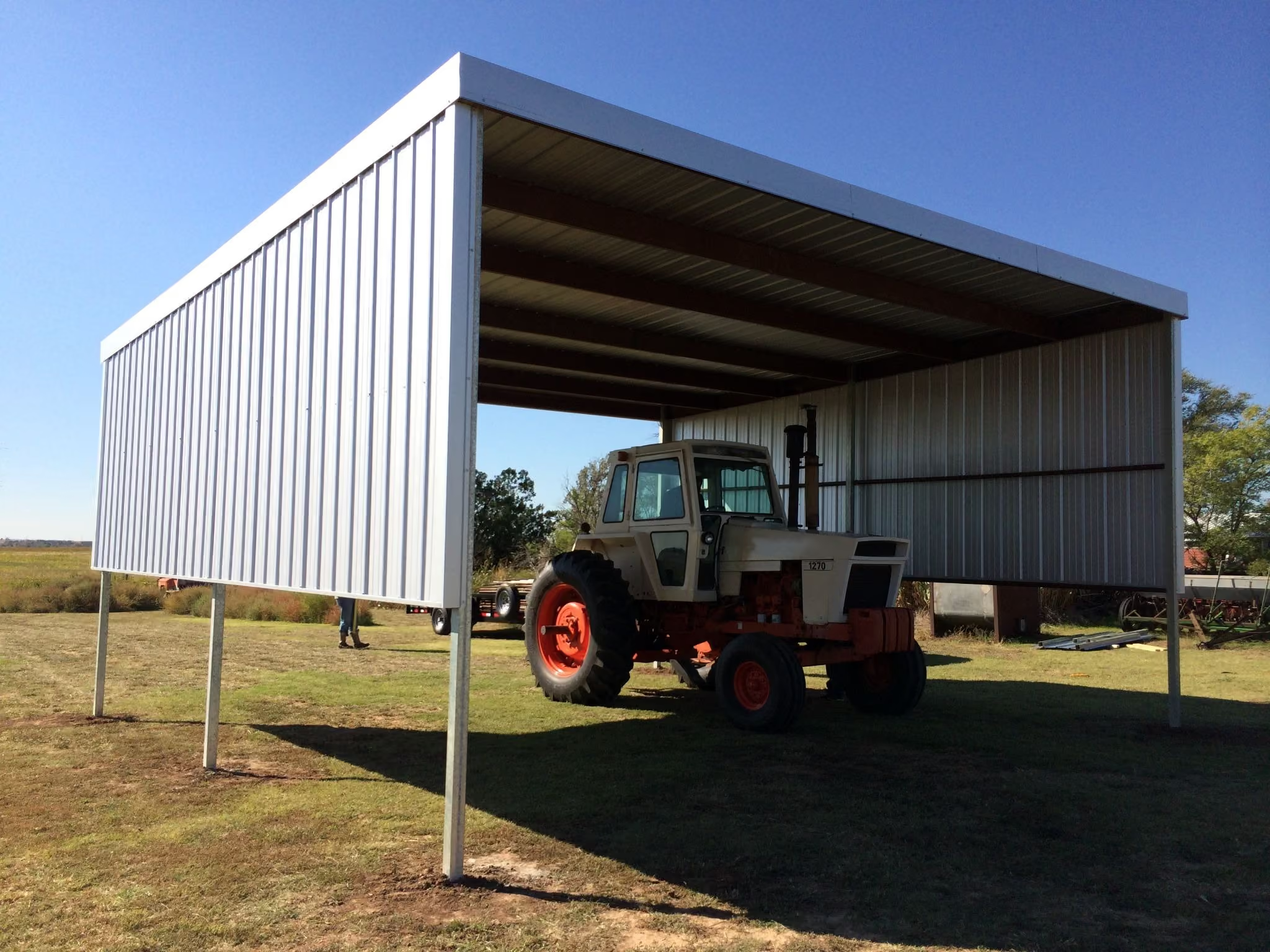
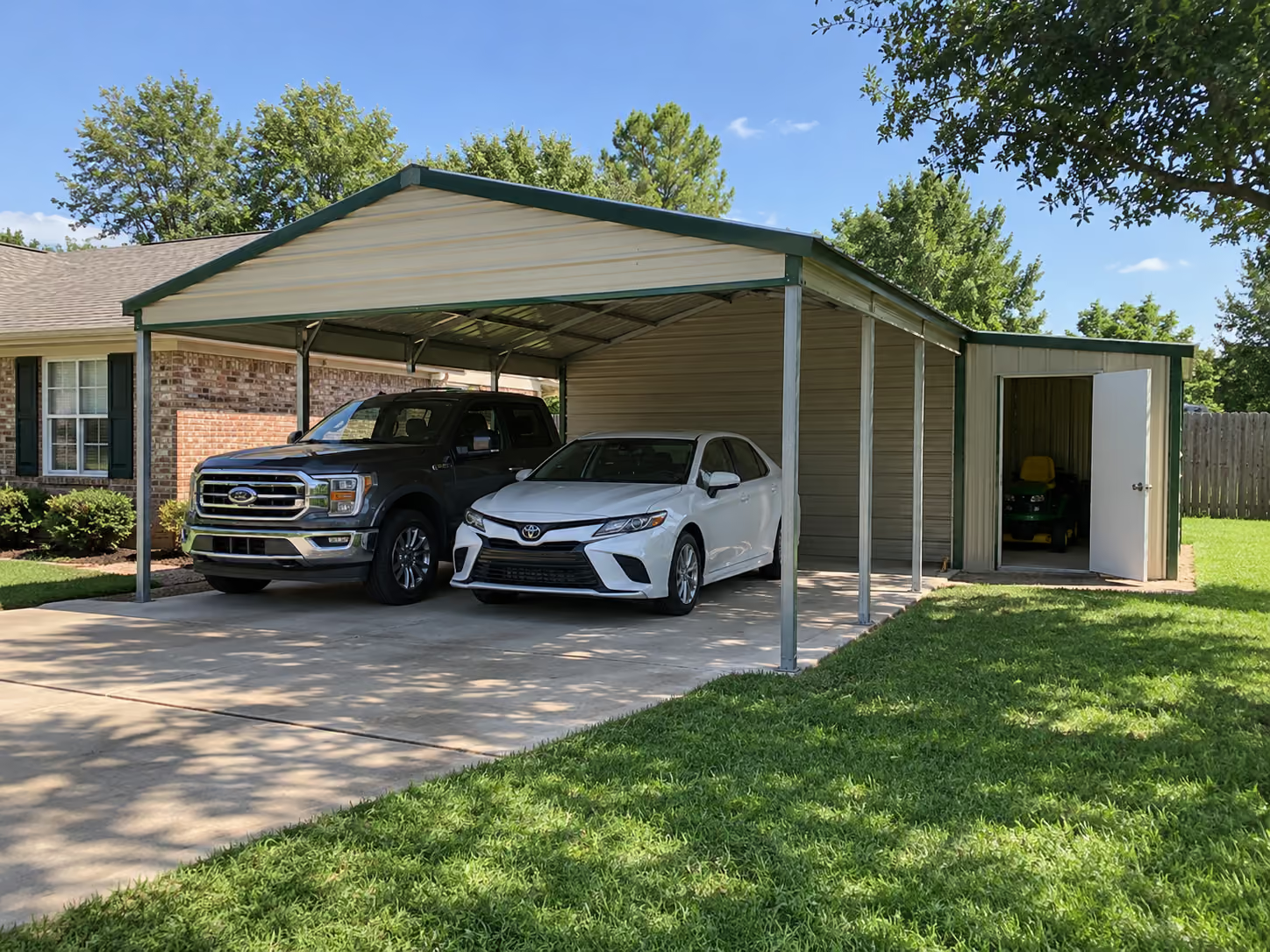
Carports are open-sided steel structures designed to shelter vehicles, equipment, or outdoor work areas from sun, rain, hail, and snow without the full enclosure of a garage. They can be free-standing or attached to an existing structure and come in any size from a single-car shelter to large RV covers and commercial fleet canopies.
The framing is typically lighter than a fully enclosed building because the open sides don't need to resist wind load the same way. Carports are the most affordable category of steel building per square foot, which is why they're so popular for RV and boat owners, agricultural equipment storage, and commercial parking.
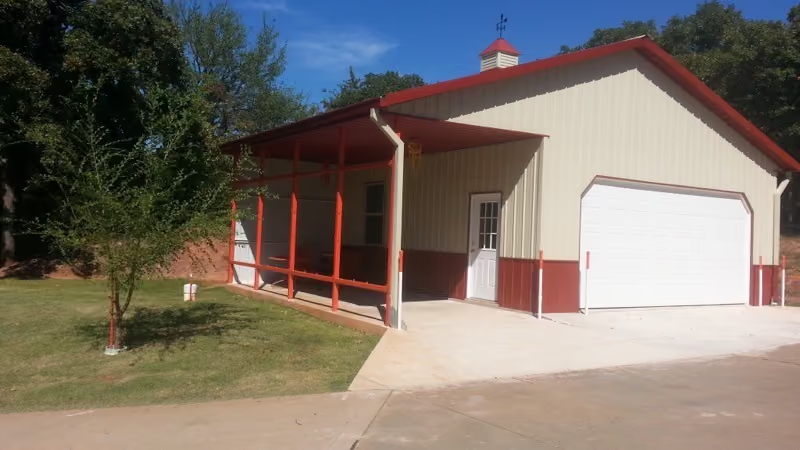
When the project doesn't fit a standard template, custom metal buildings cover everything that does. Unusual footprints, integrated mezzanines, climate-controlled sections, special rooflines, decorative architectural features, large overhead doors, attached lean-tos — custom buildings are engineered around the use case rather than the use case bending to fit the building.
This is where having an in-house engineering team makes the biggest difference. Custom designs require structural calculations specific to the building, the loads, the site, and the geometry. A reseller can't do that; only the manufacturer can.
Steel buildings show up in almost every industry. A few of the most common applications:
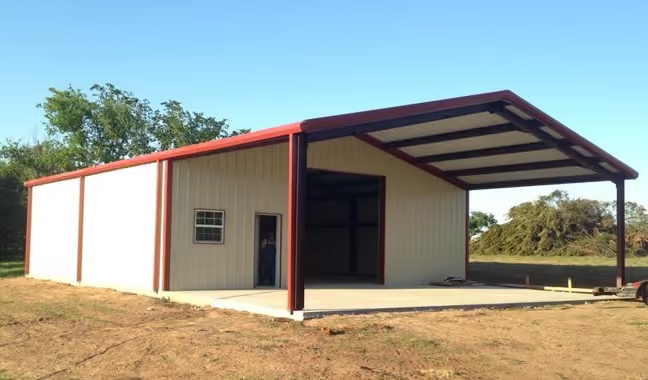
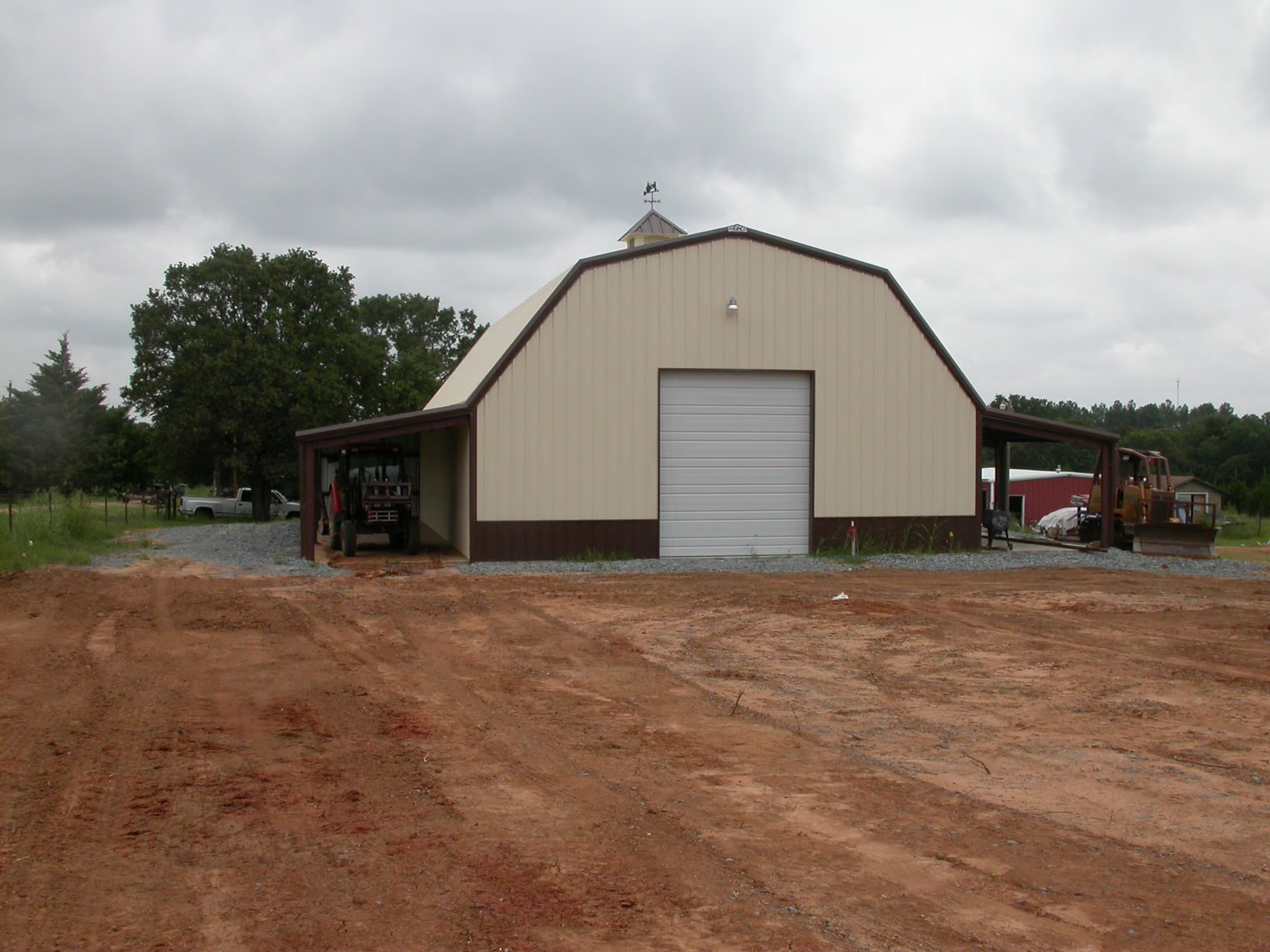
Barns, equipment storage, hay storage, livestock shelters, riding arenas, and ag retail buildings. Steel's resistance to fire, pests, and moisture makes it a natural fit for farms — wood barns are vulnerable to termites and rot in ways that steel simply isn't. Our agricultural metal buildings guide covers the specific considerations for farms and ranches, including durability against Oklahoma weather and the storage requirements for different livestock and equipment types.
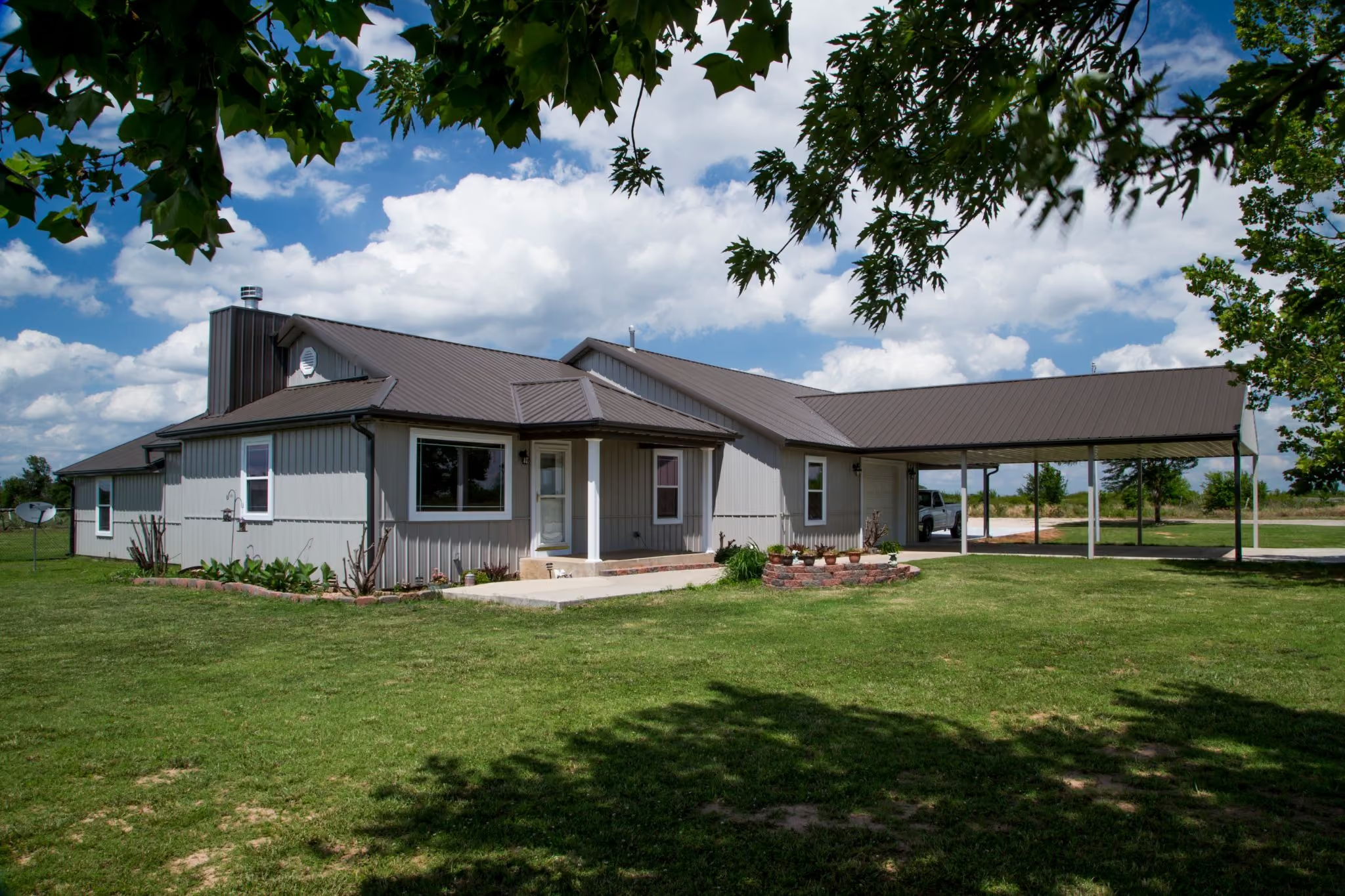
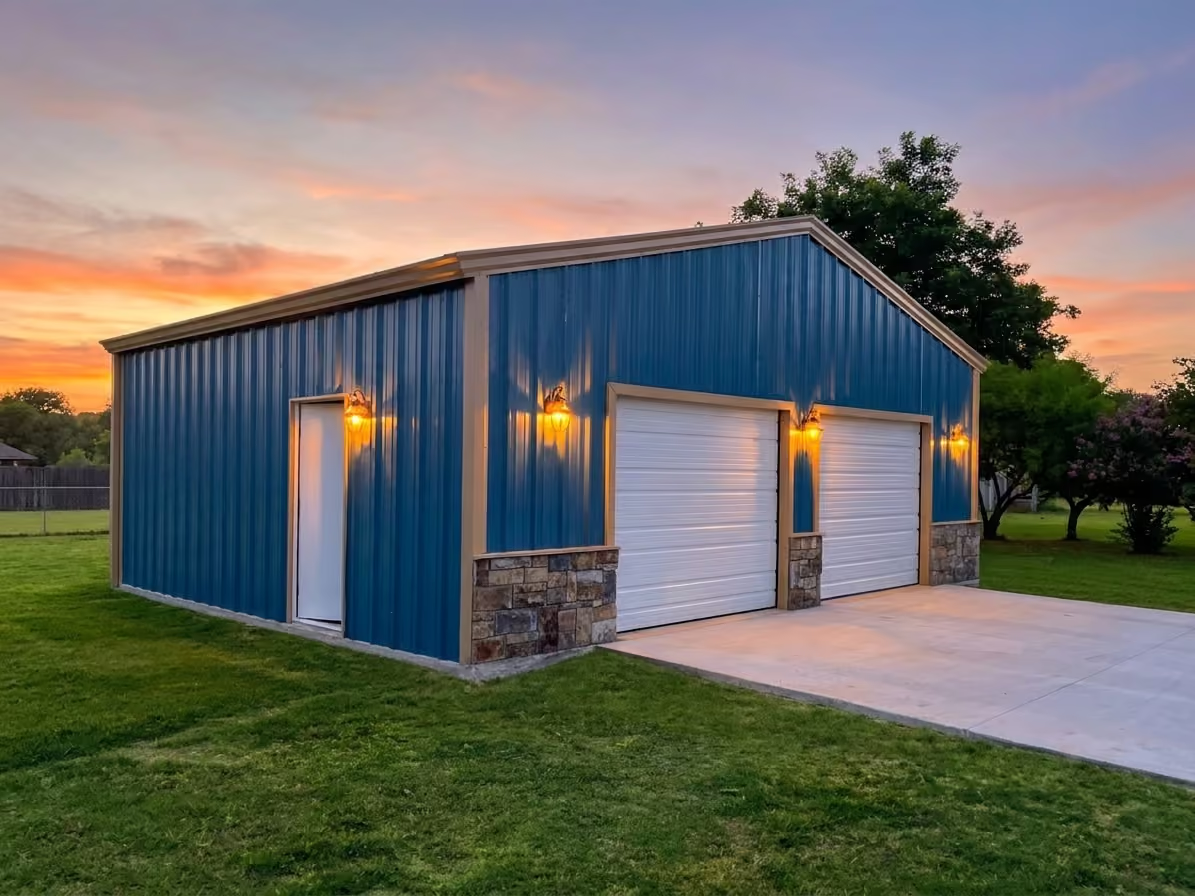
Steel buildings have moved aggressively into the residential market over the last decade. Garages, workshops, hobby shops, and backyard offices are the obvious applications, but the biggest growth has been in shouses and barndominiums — combined shop-and-living-quarters buildings that work as primary residences or weekend homes. Our shouse floor plans guide walks through layouts from 30×40 up to 60×80 with full living quarters.
For homeowners weighing options against traditional construction, our comparison of shop buildings vs. pole barns explains why all-steel construction handles Oklahoma wind, termites, and weather better than wood-post alternatives. And if a backyard office is what you're after, the backyard office guide covers how a metal building kit beats prefab pod options on customization and cost.
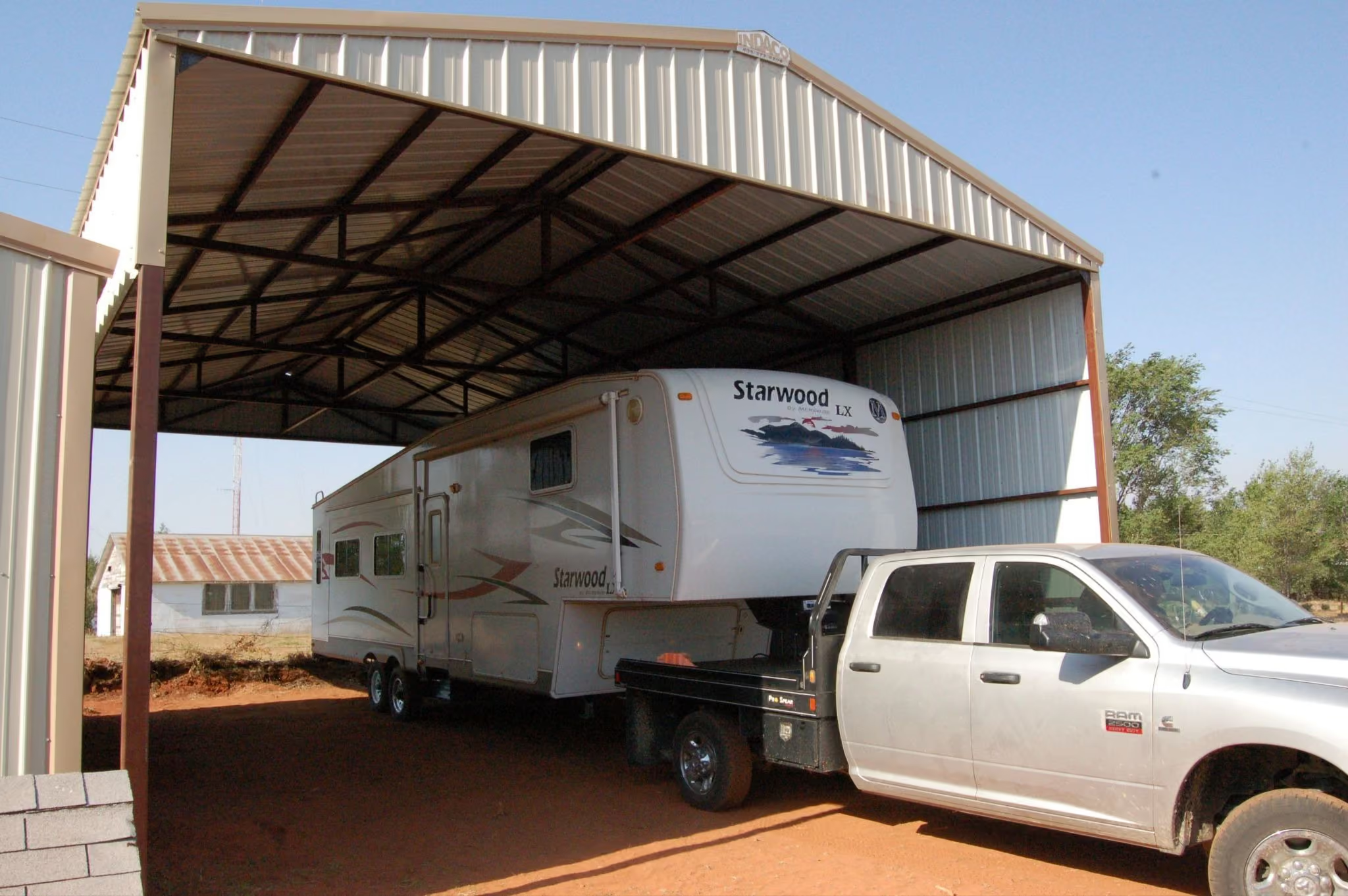
Standalone garages, RV covers, boat storage, tractor sheds, and equipment shelters. Vehicle storage is where carports and small enclosed buildings shine — fast to build, easy to permit, and built to handle whatever's parked under them. The RV carport, metal carport, and tractor shed guide covers sizing, foundations, and configuration options, and our RV and boat storage post focuses on protecting recreational vehicles through Oklahoma's harsh weather seasons.
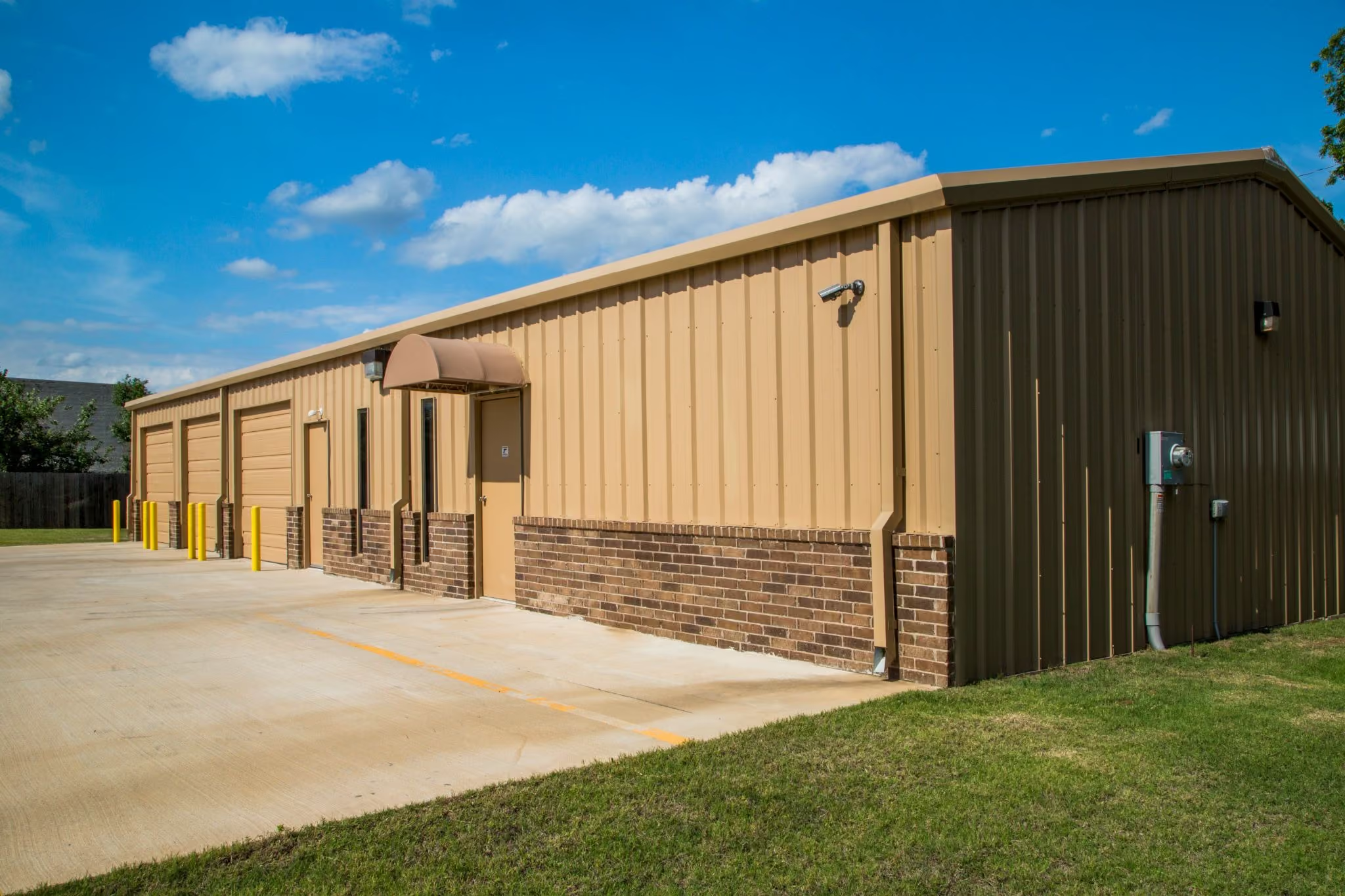
Warehouses, distribution centers, manufacturing plants, processing facilities, and retail buildings. This is the original use case for rigid-frame steel construction, and it's still the largest market by square footage. Clear-span interiors, fast construction timelines, and the ability to add bays or extensions later make steel the standard choice for commercial work.
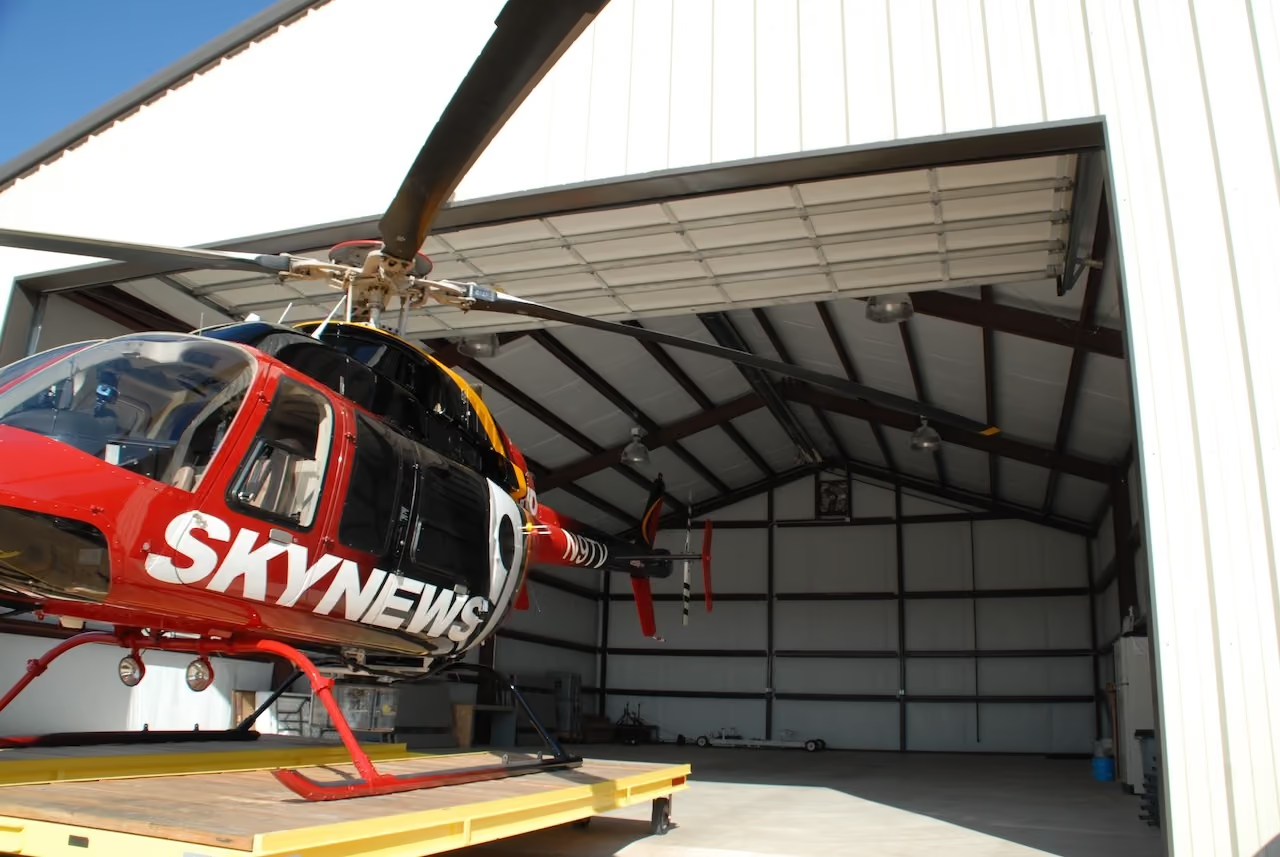
Aircraft hangars are their own specialty. They demand very wide clear spans, tall door openings, and engineering that meets aviation-specific code requirements. Our aircraft hangar buildings guide covers the design and code considerations for everything from single-aircraft hangars to commercial aviation facilities.
A pre-engineered steel building kit isn't just a pile of beams. A complete kit includes everything needed to assemble the structural shell:
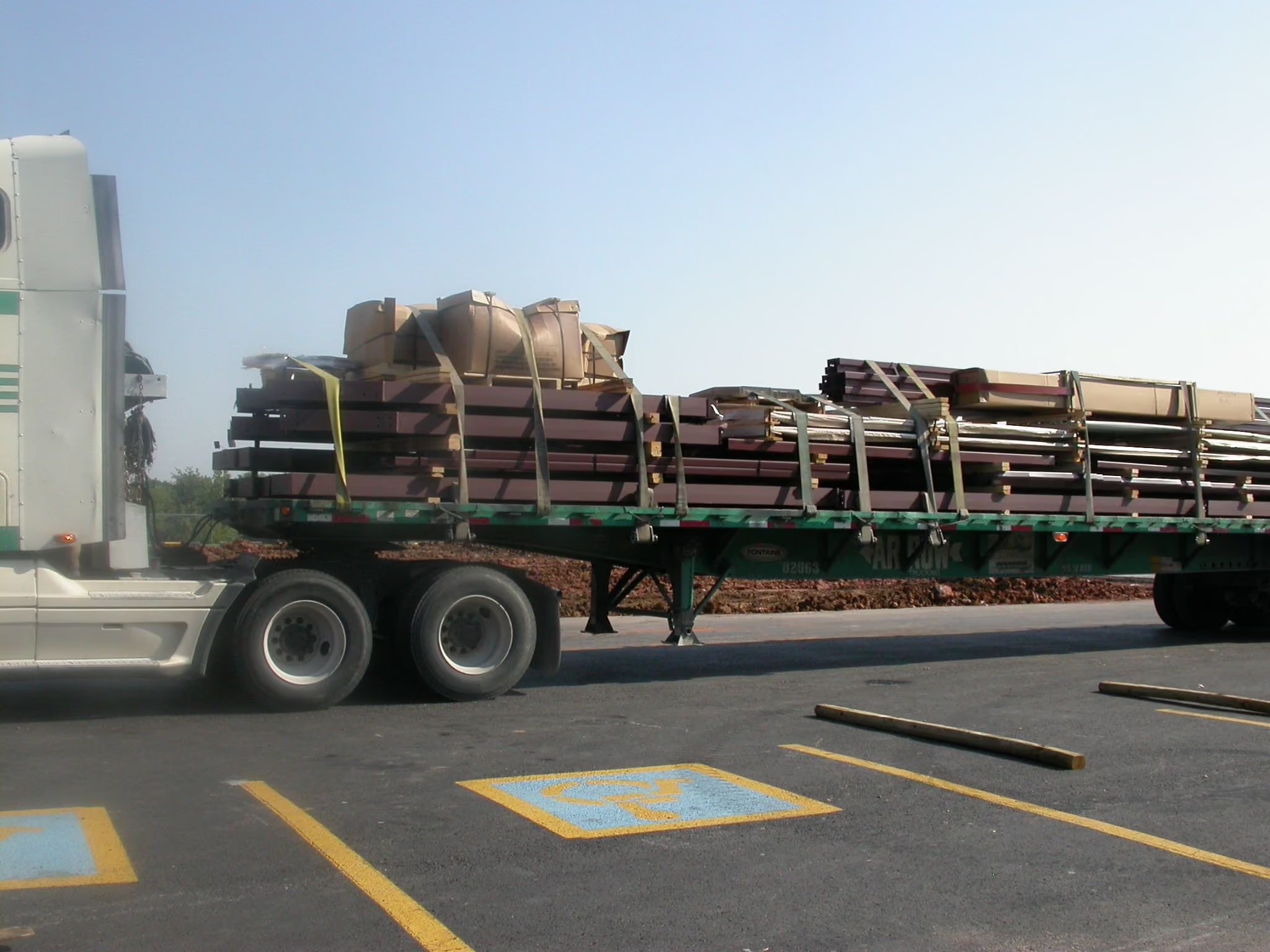
The quality of a kit isn't just about what's in the box — it's about how it's prepared. Indaco kits ship with every piece cut to length, every hole punched, every bundle labeled by location, and a complete drawing set that shows exactly where each piece goes. That sounds basic, but it's the difference between a four-day frame-up and a week of head-scratching with a saw and a tape measure. Field-cutting kits cost crews real money in time and accuracy.
Steel building cost is the question every project starts with, and unfortunately it's the question with the least useful one-line answer. Two buildings of identical footprint can vary by 30% or more depending on loads, openings, and features. That said, here are the broad ranges the U.S. market is working with as of 2026.
Kit-only pricing — the building kit itself, with no foundation, freight, or labor — typically runs $15 to $25 per square foot for a basic pre-engineered package. That covers the primary frame, secondary framing, panels, trim, fasteners, and stamped drawings. Simple agricultural buildings tend toward the lower end of the range; rigid-frame commercial packages with heavier loads sit higher.
Shell installed on a slab — kit plus concrete foundation, freight, and erection labor — typically runs $25 to $45 per square foot. The slab alone adds $7–$10 per square foot, and professional erection adds $5–$12 per square foot depending on building size and complexity.
Fully finished or highly customized buildings can run $50 to $100+ per square foot once you add insulation packages, interior finishes, climate control, mezzanines, premium overhead doors, custom architectural features, or unusual structural requirements like crane support or seismic upgrades.
The variables that move the price within each tier are mostly predictable:
The reason any single per-square-foot number is misleading is that all of these add up differently for every project. A 40×60 agricultural building with two roll-up doors and minimal insulation looks nothing like a 40×60 commercial workshop with a finished interior, three overhead doors, two walk doors, and full insulation — even though the footprint is identical.
For a broader perspective on how upfront cost compares to long-term ownership, our True Cost of Metal Buildings post breaks down a 30-year cost-of-ownership view that includes maintenance, repairs, and insurance. When you're ready for project-specific numbers, the fastest path is to sketch your building in our 3D Builder or request a quote — we typically respond within 24 hours.
One last note on pricing: buying directly from a manufacturer rather than a reseller or distributor cuts out a layer of markup. Indaco rolls its own purlins, cuts its own panels, and engineers kits in-house, so there's no middle layer between you and the steel.
Every pre-engineered steel building sold in the United States is supposed to ship with stamped engineered drawings — a structural drawing set signed and sealed by a licensed professional engineer in the state where the building will be erected. Most jurisdictions require these drawings to issue a building permit. Some don't, but you still want them; they're what protects the building (and you) if something goes wrong.
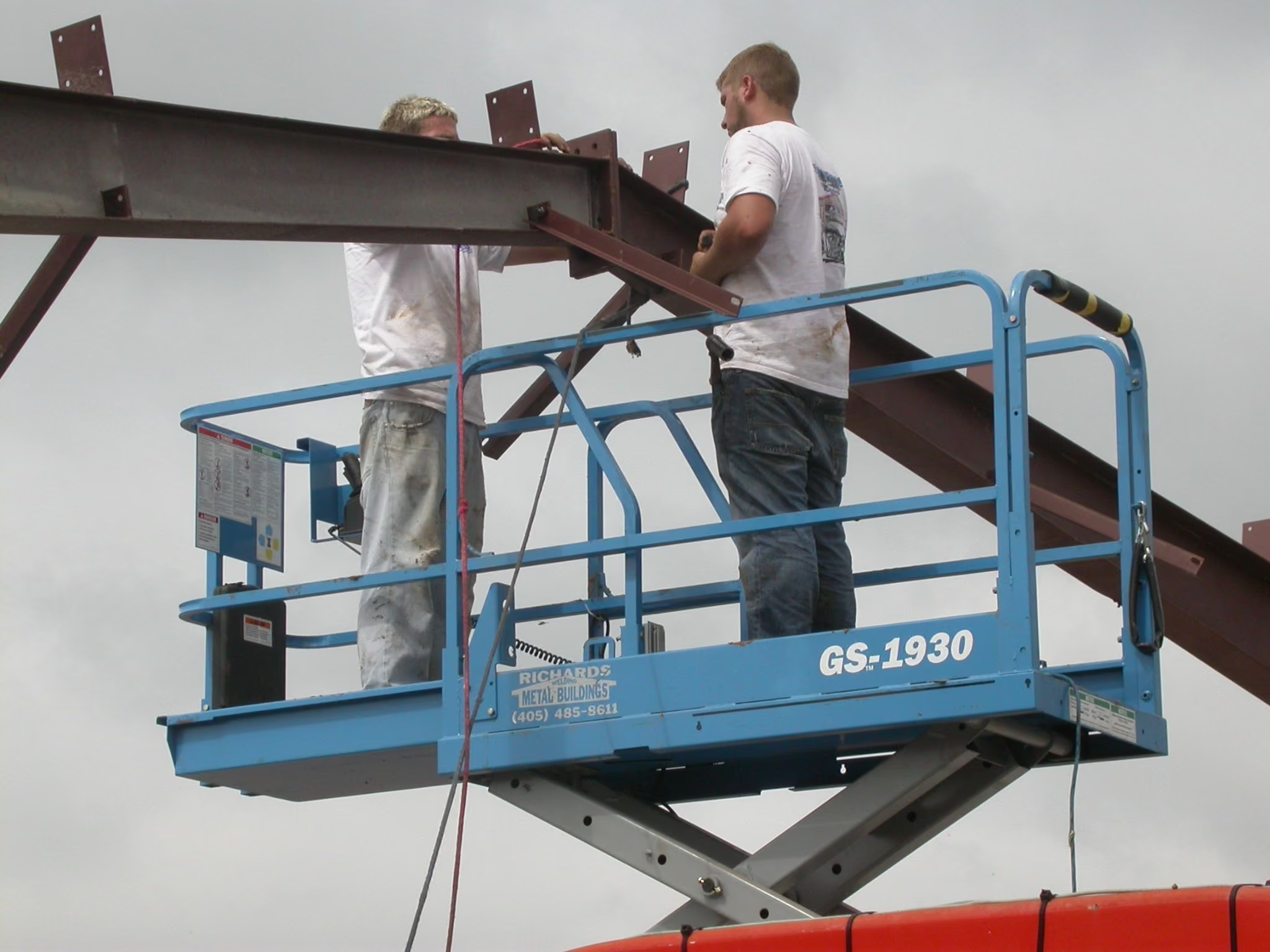
Engineering covers the loads the building has to resist:
Every Indaco building is engineered by our in-house team and ships with stamped drawings signed by a licensed structural engineer, accepted for permitting in most jurisdictions. We design every kit for the specific site loads, not generic averages — which matters in Oklahoma, where wind speeds, occasional snow events, and tornado risk drive design decisions that wouldn't apply in milder climates.
The 2024 International Building Code (IBC), which most jurisdictions are now adopting, added tornado-specific provisions under ASCE 7-22 for certain risk-category buildings. That's worth knowing if your project is in a tornado-prone area — newer code adoption can mean heavier framing in some cases. Your engineer should know what your jurisdiction requires.
If you plan to heat, cool, or live in your steel building, insulation isn't optional — it's the single biggest factor in how comfortable and how energy-efficient the building will be. Steel conducts heat aggressively, and uninsulated metal buildings get hot in summer and cold in winter much faster than wood-frame structures.
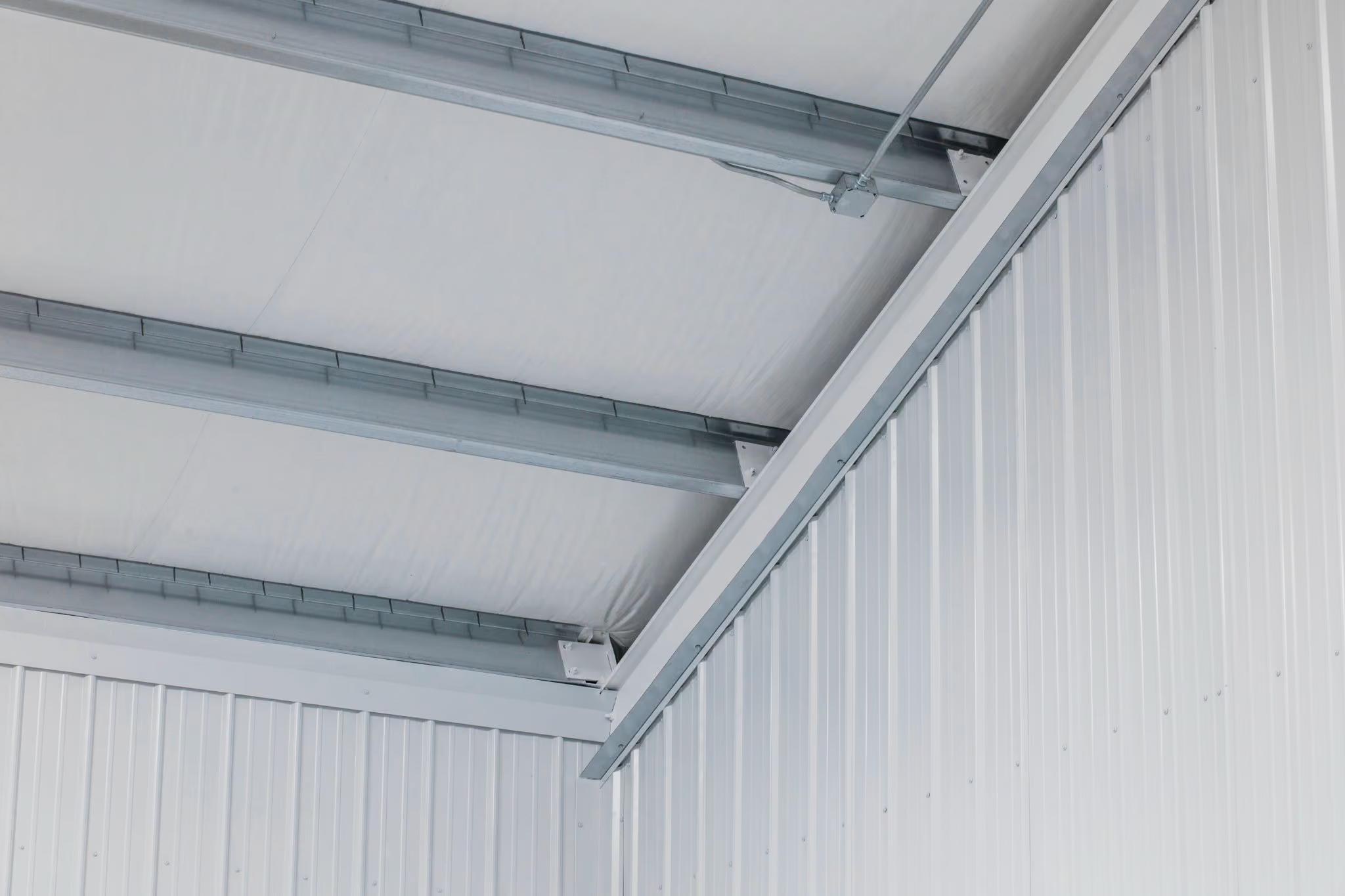
The main insulation options for steel buildings:
Choosing among them depends on climate, intended use, budget, and whether the building is residential. We've covered this in depth in How to Insulate a Metal Building and Methods of Insulating Metal Buildings — start there if insulation is a significant part of your project.
How Long Do Steel Buildings Last?
A well-built, well-maintained steel building should last 50 to 100+ years. Some are still standing and serviceable after a century. The components that determine actual lifespan are mostly about corrosion protection, not the steel itself — bare structural steel is essentially permanent unless it rusts, and panels last as long as their coatings.
Modern panel coatings have come a long way. Indaco panels are pre-coated with Sherwin-Williams Weather XL, backed by a 40-year manufacturer's limited warranty. That doesn't mean the panel falls apart at 41 years — it means the manufacturer is confident the finish will look right for at least four decades, which is longer than most building owners will keep the structure.
The things that actually shorten a steel building's life are usually preventable: fastener-head corrosion from cheap screws, panel damage at penetrations that wasn't properly flashed, foundation settling that twists the frame, and water intrusion at trim that wasn't installed correctly. Most of these come down to installation quality and ongoing maintenance, not the building system itself.
Not all steel building suppliers are the same, and the differences matter. A quick checklist when you're evaluating options:
We've also written about the most costly mistakes when planning a metal building, which is worth reading before you finalize anything. Last-minute changes to a pre-engineered building cost real money because the engineering, fabrication, and ordering are all upstream of the field — changes ripple back through the entire process.
Here's how a project moves from rough idea to a delivered, ready-to-build kit:
Have a project in mind? Sketch your building in our 3D Builder, or request a quote and we'll get back to you within 24 hours with a line-item scope including engineered specs, lead time, and delivery details.
How long do steel buildings last? A well-built, well-maintained steel building should last 50 to 100+ years. The structural steel itself is essentially permanent if protected from corrosion, and modern panel coatings carry warranties of 40 years or more.
How much does a steel building cost? As of 2026, a basic pre-engineered kit typically runs $15–$25 per square foot. A shell installed on a slab — kit plus foundation, freight, and erection labor — typically runs $25–$45 per square foot. Fully finished or highly customized buildings can run $50–$100+ per square foot. The actual price depends on size, loads, openings, finishes, and add-ons — request a quote or use our 3D Builder for project-specific numbers.
How much does a 40×60 steel building cost? At current per-square-foot ranges, a 40×60 (2,400 sqft) kit typically runs around $36,000–$60,000 kit-only, or roughly $60,000–$108,000 installed on a slab. Heavier loads, custom features, and add-ons can push either end higher.
Are steel buildings cheaper than wood? Upfront, the two can be comparable for similar-sized buildings. Steel typically wins on long-term value because it lasts longer, requires less maintenance, resists fire, termites, and rot, and holds up better in extreme weather. The True Cost of Metal Buildings post compares 30-year ownership costs side by side.
How do you insulate a steel building? Common options are fiberglass batts with vapor barrier, spray foam, rigid foam board, and insulated metal panels. The right choice depends on climate, use, and budget. See How to Insulate a Metal Building for details.
Can you live in a steel building? Yes. Shouses and barndominiums — combined shop-and-living-quarters steel buildings — are one of the fastest-growing categories in residential construction. Full insulation, proper vapor barriers, and finished interiors make them comfortable, energy-efficient homes.
What's the difference between a rigid frame and a truss frame? Rigid frames use solid hot-rolled I-beam portals and handle the widest spans and heaviest loads. Truss frames use welded open-web steel trusses, are lighter and more economical, and work well for narrower spans and lighter loads. Our rigid frame vs. trussed frame post covers the engineering details.
Are steel building kits DIY-friendly? Yes, with the right preparation. Pre-engineered kits ship with stamped drawings and labeled components, which is most of the battle. Smaller buildings — carports, garages, smaller shops — are commonly assembled by owners. Larger buildings are usually faster and safer with a professional crew and lifting equipment.
Do steel buildings hold up in high winds? When engineered to local wind loads, yes — extremely well. Standard Indaco designs are rated for 90 mph winds, and we engineer higher wind ratings for sites that need them. Steel's strength-to-weight ratio actually makes it perform better than wood in extreme wind events.
Do I need a foundation for a steel building? Almost always, yes. The most common foundation for a pre-engineered metal building is a poured concrete slab with perimeter footings sized to anchor the columns. Smaller carports and open structures sometimes use pier or pad foundations instead.
Can a steel building be expanded later? Often, yes — if it's designed with future expansion in mind. Pre-engineered buildings can be lengthened by adding bays, and lean-tos or attached structures can be added to most existing buildings. Talk to your engineer before the original design is finalized if expansion is on the roadmap.
Ready to Build Your Next Steel Building?
Whether you're sizing a barn, planning a backyard workshop, designing a commercial warehouse, or exploring a shouse for a piece of land you've been looking at, we'd love to help you spec the right building for your situation. Call or stop by either of our Oklahoma locations, Monday through Friday, 8am to 5pm:
Shawnee: 3 American Way, Shawnee, OK 74804 — (405) 273-9200
Sand Springs: 17427 W 9th St, Sand Springs, OK 74063 — (918) 419-6053
Sketch your building in the 3D Builder or request a quote online.
Complete this short form, or give us a call anytime:



.avif)