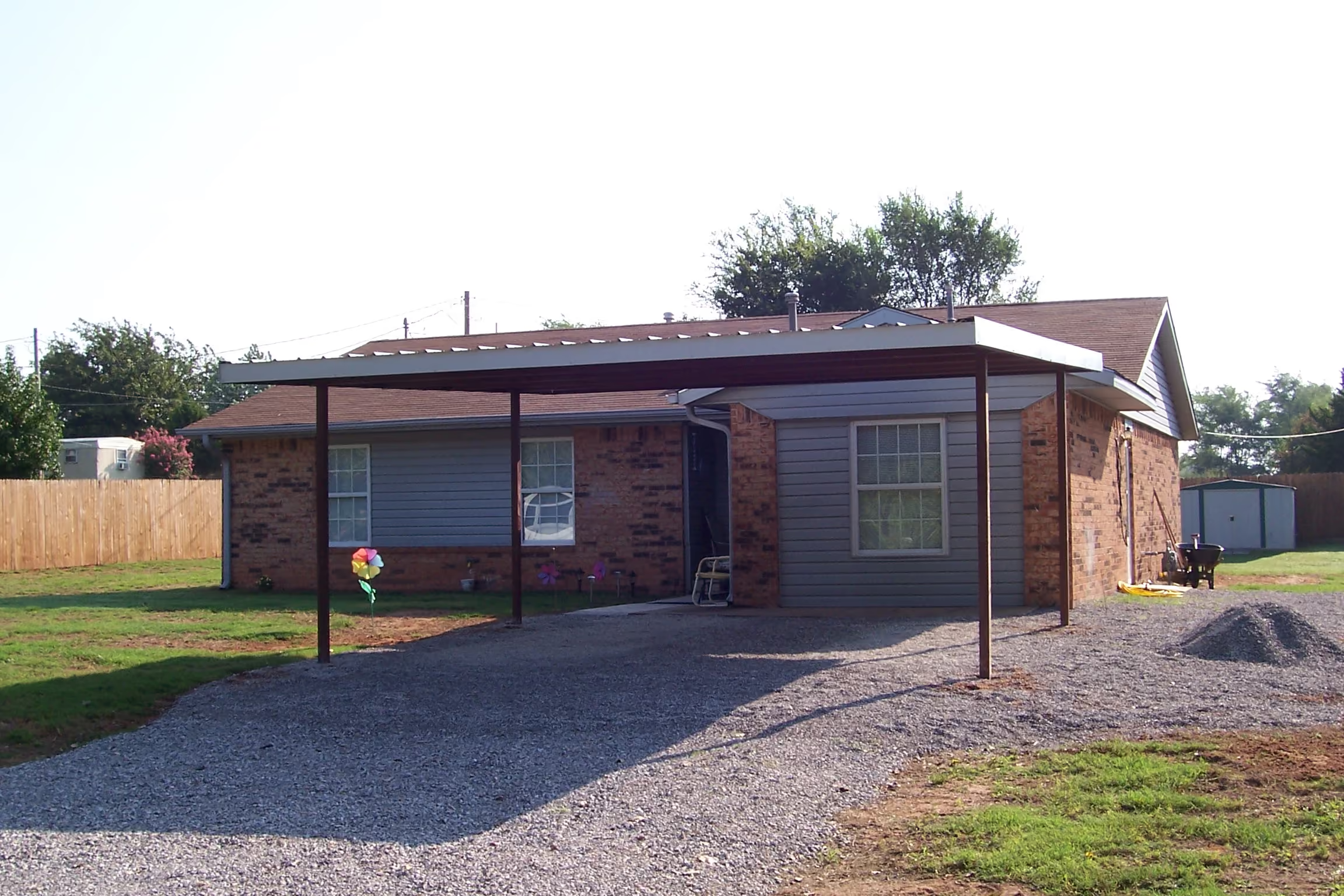
More Oklahomans are discovering what mechanics, welders, and hobbyists have known for years: why pay for a house and a separate shop when you can combine them into one building? The "Shouse"—a shop with integrated living quarters—has become one of the most requested building types at Indaco Metals, and for good reason.
If you've been searching for shouse floor plans that actually work for real life, you're in the right place. This guide walks through proven layouts at every size, from starter builds to full commercial operations, with options for single-story living or maximizing space with a loft.
A shouse is exactly what it sounds like: a shop combined with a house under one roof. Unlike a barndominium (which prioritizes living space with a barn aesthetic), a shouse puts the workshop first. The shop typically takes up 50% to 70% of the total square footage, with living quarters tucked into the side, rear, or upper level.
The shouse appeals to a specific kind of Oklahoman—someone who views their property as more than just a place to sleep. Classic car collectors, small business owners, farmers, and serious hobbyists choose shouses because they eliminate the commute from house to workshop. Your tools, your vehicles, and your living space all exist in one weatherproof, secure structure.
Neither is better—they serve different purposes. If you want a home that happens to have garage space, consider a barndominium. If you want a serious workspace with a comfortable place to live attached, you want a shouse.
The right shouse size depends on your workshop needs, family size, and budget. Below are the three most popular footprints we see at Indaco Metals, with layout options for each.
The 30x40 is the entry point for shouse living. At 1,200 square feet total, it's compact but surprisingly functional. This size works well for:
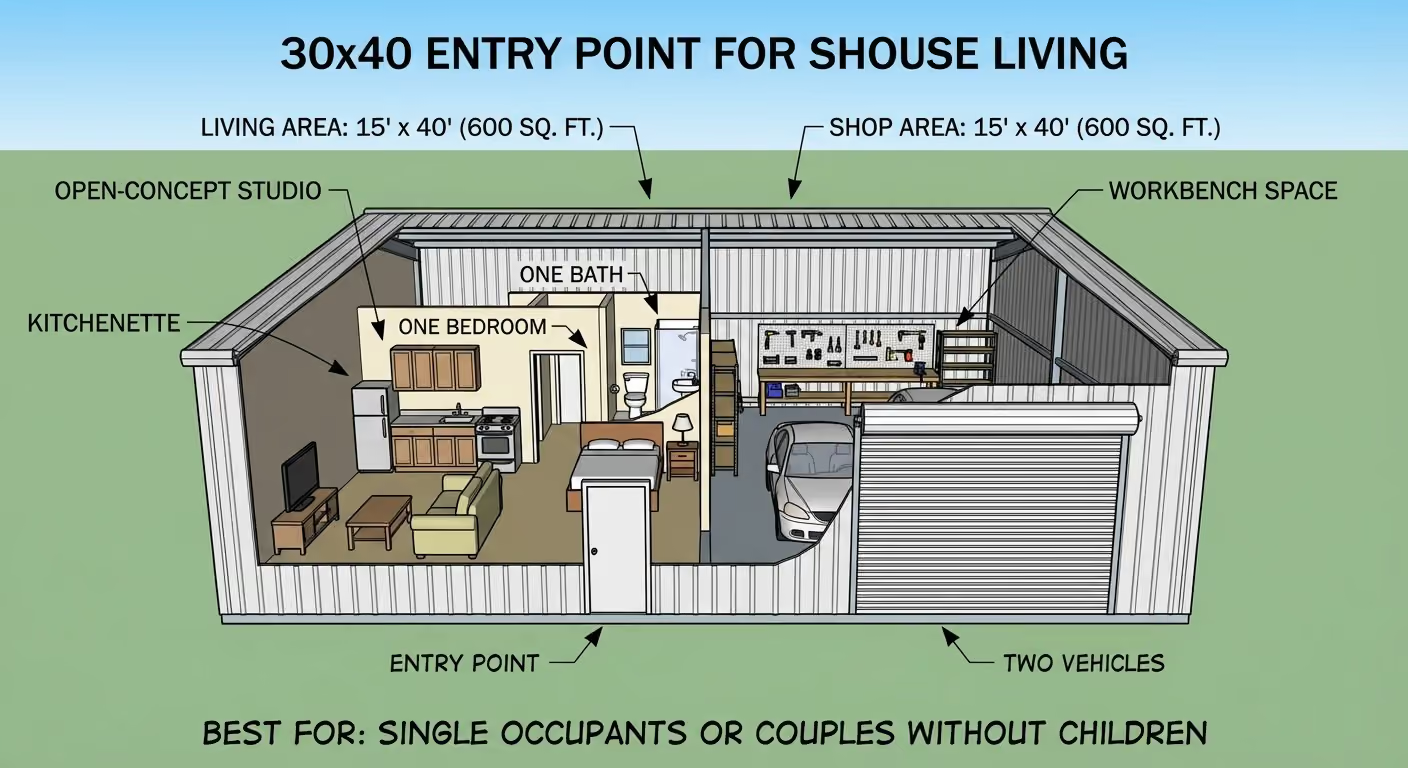
Layout Option A: The 50/50 Split
Layout Option B: The Efficiency Studio
Loft Option: With a 14-foot eave height, you can add a 300-400 sq. ft. loft over the living area for a sleeping space or storage, keeping the main floor open.
The 40x60 is the sweet spot for shouse construction. At 2,400 square feet, it balances cost, permitting ease, and true livability. This is the most requested size for "shop with living quarters" projects because it allows for a legitimate family home without sacrificing workshop utility.
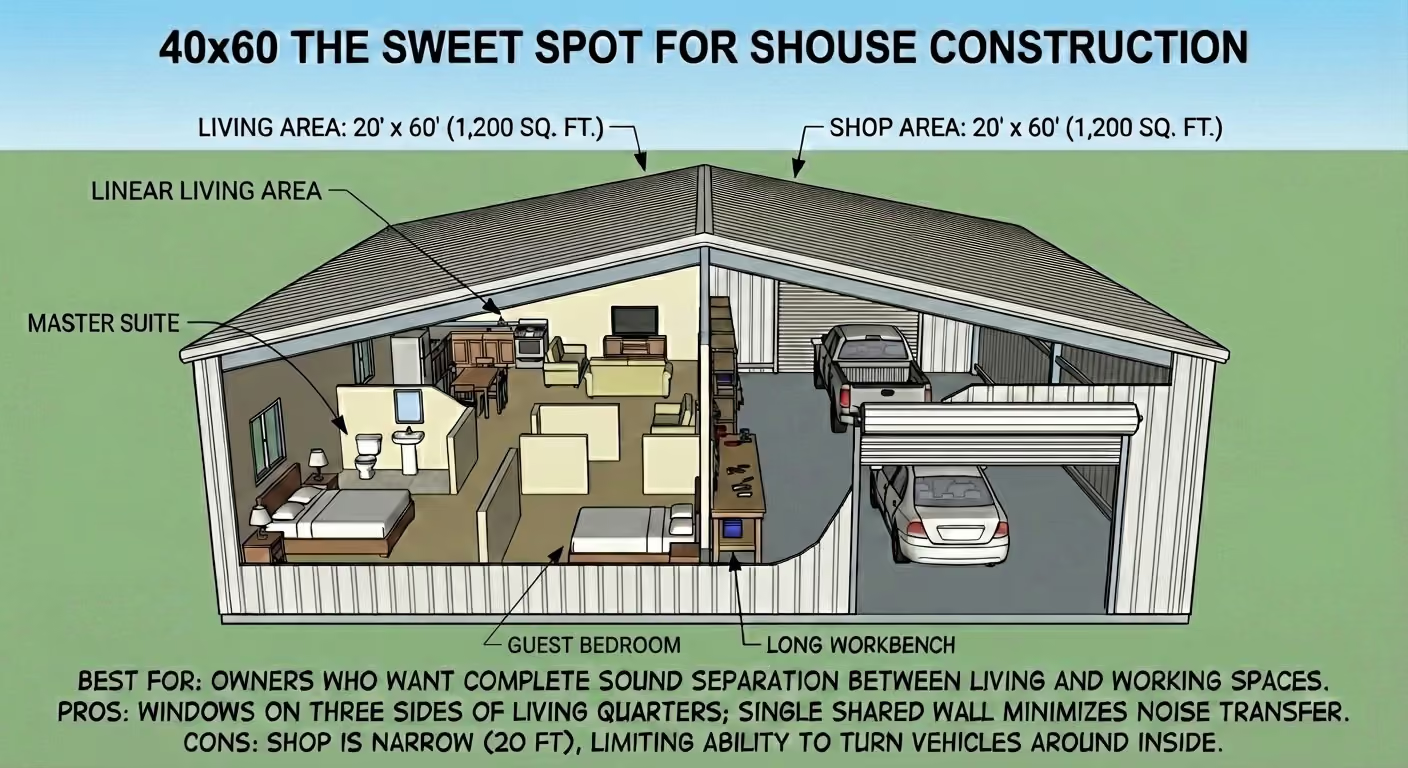
Layout Option A: The Side-by-Side
The building is split lengthwise, creating two 20' x 60' sections.
Pros: Windows on three sides of living quarters; single shared wall minimizes noise transfer
Cons: Shop is narrow (20 ft), limiting ability to turn vehicles around inside
Layout Option B: The Front Residence
The living quarters occupy the front 25 feet across the full 40-foot width.
Pros: House looks like a house from the road; massive 40x35 shop floor allows for equipment maneuvering
Cons: Shop access limited to side or rear; requires wrap-around driveway
Layout Option C: The Lofted 40x60
By pushing eave height to 16 feet, you can build a second story over the living portion.
For business owners running commercial operations—HVAC contractors, custom fabricators, heavy equipment dealers—the 60x80 footprint delivers professional-grade workspace with attached living quarters.
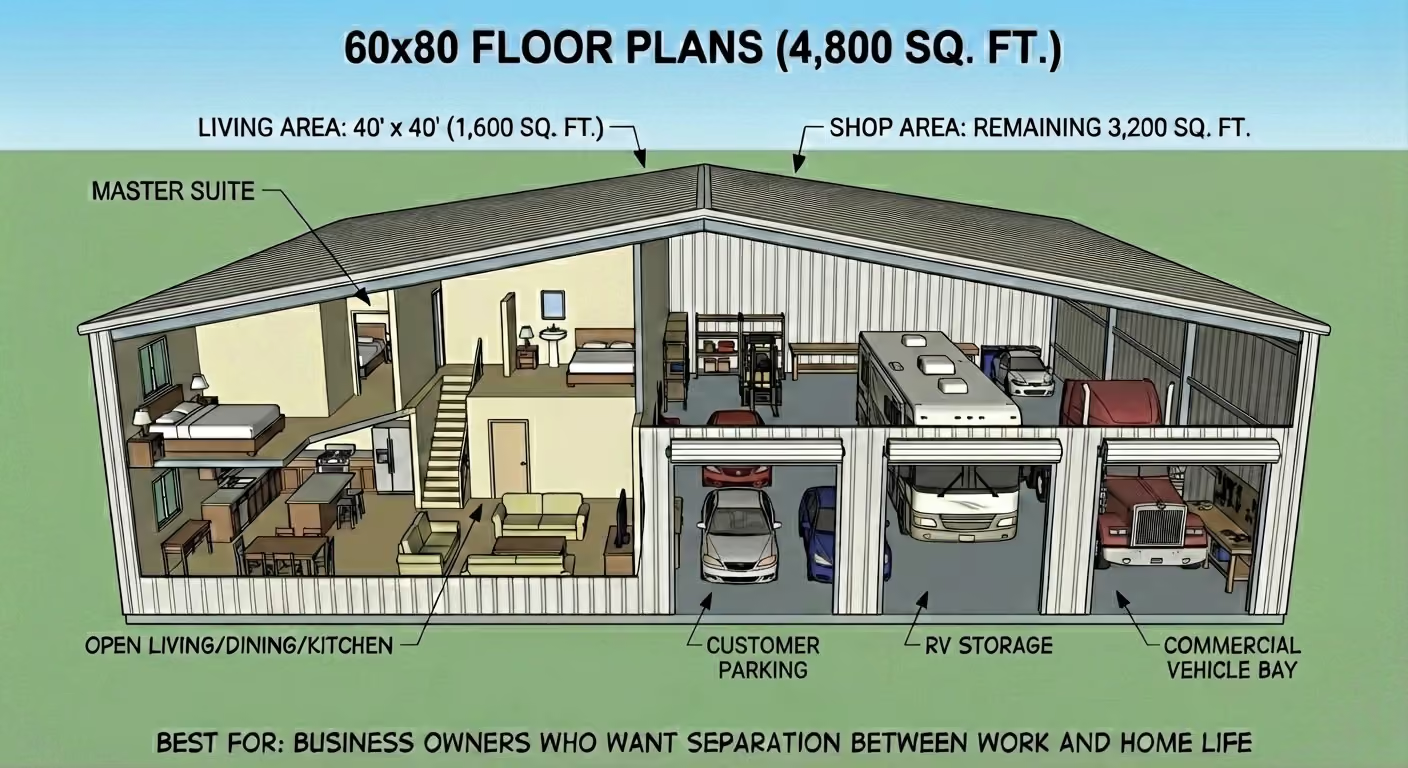
Layout Option A: The Ground-Floor Split
Layout Option B: The Mezzanine Residence
This layout takes full advantage of the building's vertical space by placing living quarters entirely on the second floor.
Note: A 60-foot clear span requires Indaco's Rigid Frame system for structural integrity. The solid I-beam construction handles the immense loads without interior columns blocking your workspace.
Every successful shouse floor plan includes a "mudroom airlock" between the shop and living quarters. This transition space should have:
Without this buffer zone, shop life will infiltrate home life—sawdust in the carpet, oil smells in the kitchen, noise during family time.
A poorly insulated shouse becomes a "tin can"—blazing hot in summer, freezing in winter, and dripping with condensation year-round. For Oklahoma's climate swings, closed-cell spray foam insulation is the gold standard. It bonds directly to metal panels, eliminates condensation, and acts as both vapor barrier and insulator.
Before finalizing your floor plan, measure the equipment you'll use:
Order more height than you think you need. You can't raise the ceiling later.
Ready to see what your shouse could look like? Our 3D Builder tool lets you experiment with building dimensions, toggle between truss and rigid frame construction, add doors and windows, and visualize color options—all before you talk to a single contractor.
For personalized guidance on your shouse project, contact the Indaco Metals team. We've been manufacturing steel building kits in Oklahoma since 1995, and we understand the unique challenges of building in our state—from red clay foundations to 115 mph wind ratings.
Visit our showrooms:
Shawnee: 3 American Way, Shawnee, OK 74804
(405) 273-9200
Sand Springs: 17427 W 9th St, Sand Springs, OK 74063
(918) 419-6053
Online: Request a quote | Try the 3D Builder
Our hours are Monday through Friday, 8 am to 5 pm. Whether you're planning a weekend warrior shop or a full commercial operation with living quarters, we're here to help you build it right.
Complete this short form, or give us a call anytime:



.avif)