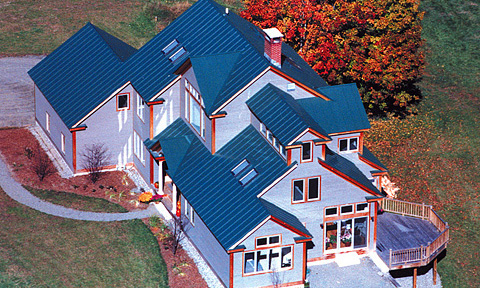
If your asphalt shingles are nearing the end of their life and you've been eyeing a metal upgrade, you've probably asked the big money-saving question: can you put a metal roof over shingles, or do you have to tear the old roof off first?
The short answer is yes — in many cases you can install a metal roof directly over existing shingles, and it's a common, code-recognized practice. But "you can" and "you should" aren't always the same thing. Whether a metal-over-shingles retrofit is right for your Oklahoma home depends on the condition of your existing roof, your local building code, and how the job is engineered and installed.
At Indaco Metals, we've been manufacturing metal roofing in Oklahoma since 1995, and we help homeowners and contractors make this exact call all the time. Here's what you need to know.
Yes. One of the biggest advantages of metal roofing is that the panels are lightweight — typically around 1 to 1.5 pounds per square foot, far less than a second layer of asphalt shingles. Because of that low weight, most roof structures can handle a metal recover without any reinforcement, which is why installing metal roofing over shingles is so popular as a cost-saving retrofit.
Going over the top of your existing shingles can save you money on labor and disposal, keep tons of old shingles out of the landfill, and get your home protected faster. But it only works well when a few key conditions are met — and there are real situations where a full tear-off is the smarter move.
Putting a metal roof over shingles is usually a good option when:
When these boxes are checked, a metal-over-shingles installation can deliver decades of protection at a lower installed cost than a complete tear-off.
Sometimes going over the top just isn't worth it. Plan on a full tear-off if:
If any of these describe your roof, the tear-off cost is money well spent — and it gives you a clean, dependable foundation for a roof that can last 40 to 50 years or more.
A metal-over-shingles job done right is excellent. A job done carelessly is where the horror stories come from. Here are the most common metal roof over shingles problems and how a proper installation prevents each one.
Metal panels can "sweat" when warm, humid air meets a cooler surface. Without proper ventilation, that moisture can get trapped between the metal and the old shingles. The fix is straightforward: an assembly designed to breathe, with adequate attic ventilation (soffit and ridge vents) and, in many cases, an air gap between the shingles and the panels.
The gritty granules on asphalt shingles can grind against the underside of metal panels as they expand and contract with temperature swings. Over years, that abrasion can wear at the panel's protective coating. A high-temperature synthetic underlayment or slip sheet laid over the shingles first acts as a buffer and adds a second moisture barrier.
Install metal directly onto lumpy, curled shingles and every imperfection can show. Using furring strips (also called battens) to create a flat, consistent plane is one of the best ways to get a crisp, professional finished appearance.
Homeowners occasionally learn too late that their roof already had two layers, or that their city required a permit or a tear-off. A quick check with your local building department before you start saves a lot of headaches.

Every roof is a little different, but a quality metal-over-shingles retrofit generally follows these principles.
Before the metal goes on, a layer of high-temperature synthetic underlayment (or a slip sheet) is rolled over the existing shingles. This separates the metal from the abrasive granules, provides a secondary moisture barrier, and creates a cleaner working surface.
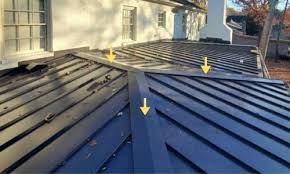
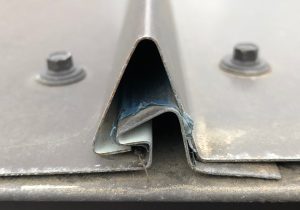
Many pros install horizontal furring strips over the shingles and fasten the metal panels to those. This "batten" approach smooths out the surface, creates an air gap that helps with ventilation and heat dissipation, and is especially valuable for standing-seam-style panels that want a flat plane to rest on.
Good airflow is what keeps a metal roof dry and efficient. A well-ventilated assembly — soffit intake, ridge exhaust, and the air gap the battens provide — carries heat and moisture out before they can cause condensation problems. If you're upgrading insulation at the same time, our guide to insulating metal buildings covers the same moisture-control principles.
This is where the right materials make all the difference. Oklahoma's wind and storm season demands panels, fasteners, and a fastening schedule rated for the job. Indaco recommends a minimum engineered wind rating of 90 mph, and properly installed metal roofing meets or exceeds that. Getting the panel gauge, fastener pattern, and flashing details right is what turns a good-looking roof into one that actually stands up to a Plains thunderstorm. It's also why we're always happy to consult with you or your contractor before the first panel goes up.
Generally, yes — but always confirm with your local jurisdiction. The widely adopted rule of thumb is a maximum of two roofing layers, so a single existing layer of asphalt plus a metal recover is usually permitted. Cities may differ on permits, ice-and-water requirements, and inspection. Because we manufacture in Shawnee and Sand Springs and serve homeowners statewide, our team can point you toward the questions to ask your building department.
Here's the quick decision framework:
When in doubt, a professional roof inspection settles it fast. If your current roof is simply aging out, our comparison of metal roofs vs. shingles explains why so many Oklahomans are making the switch in the first place.
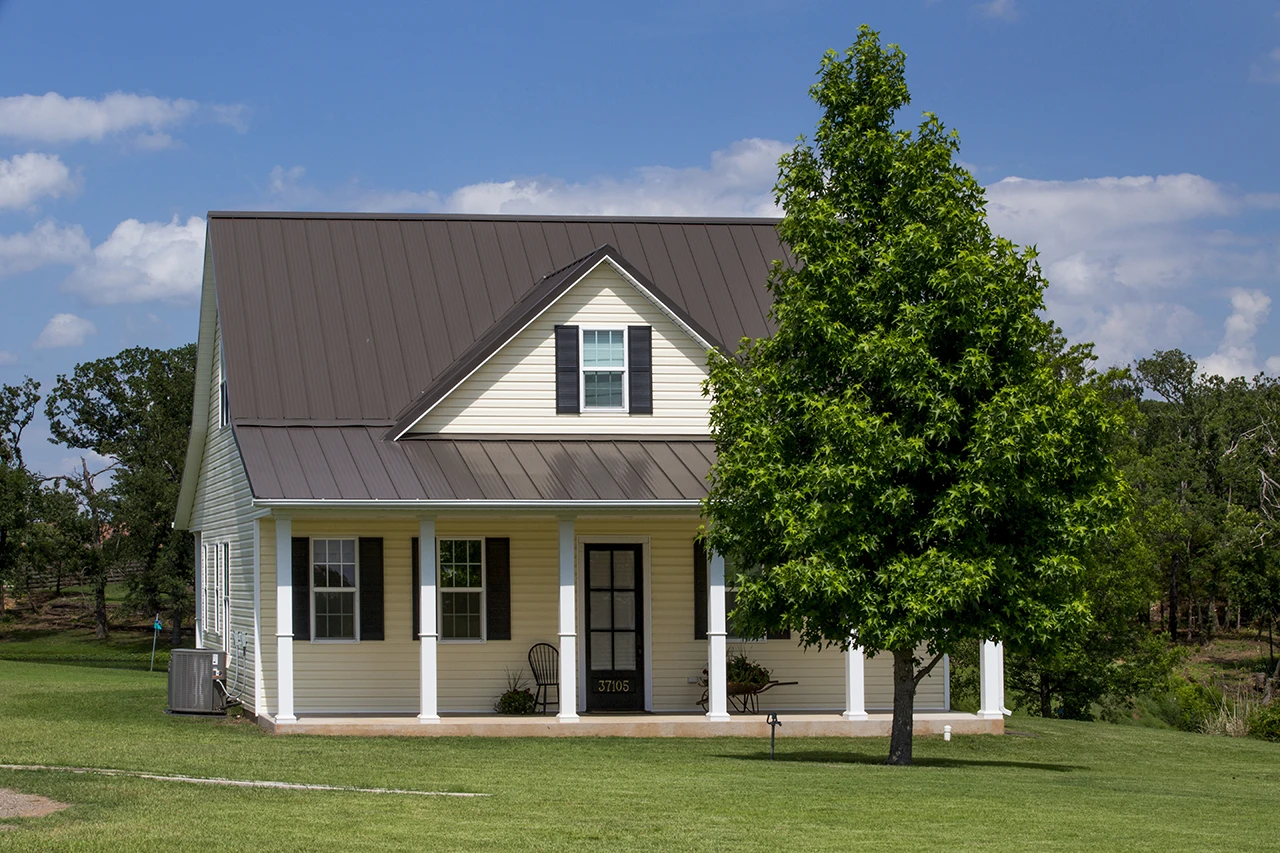
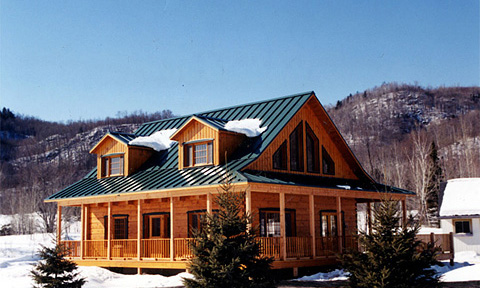
Once you've decided a metal roof is in your future, the fun part is picking it out. Indaco's metal roofing kits let you customize:
Because we manufacture the panels ourselves, you get a quality product at a fair price — the same conviction Joe and Charlotte Inda founded this company on back in 1995.
Still not sure whether your roof is a good candidate for a metal-over-shingles retrofit? That's exactly the kind of question our team loves to answer. We'll help you weigh a recover against a tear-off, choose the right panel and color, and get you the engineered materials to do it right the first time.
Get in touch today:
We're open Monday–Friday, 8 a.m.–5 p.m. Stop by either showroom to see our panels and colors in person, or reach out and let's talk through your roof. With nearly 30 years serving Oklahoma, Texas, Missouri, Kansas, and beyond, Indaco Metals is ready to help you put a roof over your head that's built to last.
Complete this short form, or give us a call anytime: